
TMJ Therapy
Temporomandibular joint (TMJ) dysfunction often manifests as jaw pain, facial tension, headaches & neck discomfort. Biological dentistry aims to identify the root causes that create strain in the jaw and surrounding tissues
S. WARD ECCLES, D.D.S.
Welcome New Patients
About Us
Understanding Your TMJ, Skeletal Structure, and Airway
Your jaw is more than just a hinge for chewing—it’s a complex joint intricately connected to your facial skeleton, airway, tongue position, and overall health. Temporomandibular joint (TMJ) dysfunction often manifests as jaw pain, facial tension, headaches, or even neck discomfort. But in biological dentistry, we look beyond the symptoms. We aim to identify the root causes—structural, muscular, and airway-related—that create strain in the jaw and surrounding tissues.
The TMJ sits at the junction of your lower jaw and skull and relies on precise alignment of bones, muscles, and ligaments. Even small shifts in skeletal structure—whether from posture, dental work, or developmental patterns—can place abnormal stress on the joint. Over time, these imbalances can lead to chronic discomfort, limited jaw movement, and accelerated wear on your teeth.
Airway function plays a crucial role in TMJ health. A restricted airway, whether due to nasal congestion, enlarged tonsils, or tongue positioning issues, forces the jaw to compensate to maintain proper breathing. This compensation can trigger clenching, grinding, or other forms of bruxism. Similarly, tongue-tie or improper tongue posture can alter the natural resting position of the jaw, impacting both airway and bite alignment. Addressing these factors is essential for long-term relief.
The muscles and fascia surrounding the jaw—extending through the face, neck, and skull—can also contribute to TMJ discomfort. Tension in these tissues often develops as the body attempts to stabilize misaligned joints or restricted airways. In addition, stress and inflammation amplify these patterns, creating cycles of pain that conventional treatments may overlook.
At our practice, TMJ therapy begins with a holistic understanding of your skeletal structure, airway, and muscle function. By identifying the root contributors—structural misalignment, airway limitations, tongue position, and muscular tension—we develop a personalized approach that addresses both symptoms and underlying causes. Our goal is not just to reduce jaw pain temporarily but to restore balance and function, supporting long-term oral and overall health.
Through a combination of targeted in-office therapies, guided at-home care, and lifestyle strategies, we empower patients to relieve jaw tension, improve bite alignment, and enhance airway function. Understanding the interconnected nature of your TMJ, skeleton, airway, and tongue sets the foundation for effective, lasting relief.

Airway and Why It Matters
When your airway is restricted your body often compensates in ways that strain the jaw, facial muscles, and even your posture
Bruxism
Bruxism, commonly known as teeth grinding or jaw clenching, is often a visible symptom of underlying TMJ and airway issues.
Fascial Muscles and Craniosacral Therapy
Fascia—a network of connective tissue that wraps around muscles, bones, and organs—helps transmit forces throughout the body.
Prolotherapy In-Office
Occlusal Appliances In-Office
Occlusal appliances protect your teeth, support proper jaw alignment, and reduce strain on the muscles and ligaments caused by clenching or grinding
At-Home Care
Airway and Why It Matters
Proper airway function is essential for overall health—and it’s closely tied to the health of your jaw and TMJ. When your airway is restricted, whether from nasal congestion, enlarged tonsils, sinus issues, or low tongue posture, your body often compensates in ways that strain the jaw, facial muscles, and even your posture. Over time, these compensations can lead to chronic jaw tension, teeth grinding, headaches, and sleep disturbances.
A restricted airway can force you to breathe through your mouth, which alters the natural resting position of the tongue and jaw. This subtle shift may seem minor, but it can create uneven pressure on the TMJ, contribute to malocclusion (misaligned bite), and trigger clenching or grinding—commonly known as bruxism. For many patients, airway limitations are an unseen root cause of persistent jaw pain that standard dental approaches may not address.
Sleep-disordered breathing, including snoring or mild obstructive sleep apnea, further increases strain on the jaw and surrounding muscles. As your body instinctively adjusts to keep the airway open during sleep, it may clench the jaw or activate compensatory muscle patterns that extend into the face, neck, and shoulders. Addressing airway function can therefore relieve not only TMJ discomfort but also improve sleep quality, energy levels, and overall well-being.
At our practice, we evaluate the airway as an integral part of TMJ therapy. By assessing tongue position, nasal airflow, and overall breathing patterns, we can identify hidden contributors to jaw strain and develop targeted interventions. These may include in-office therapies to improve joint function, exercises to promote optimal tongue posture, and guidance on lifestyle adjustments that support healthy airway function.

Understanding your airway is not just about breathing better—it’s about addressing the root cause of jaw and facial discomfort. By restoring proper airway mechanics, we reduce unnecessary stress on the TMJ and surrounding structures, paving the way for long-term relief and improved overall health.
Bruxism: How It Looks and Long-Term Effects
Bruxism, commonly known as teeth grinding or jaw clenching, is often a visible symptom of underlying TMJ and airway issues. While many people may not realize they are grinding their teeth—especially at night—its effects can be significant, extending beyond dental wear to jaw pain, headaches, and even changes in facial structure.
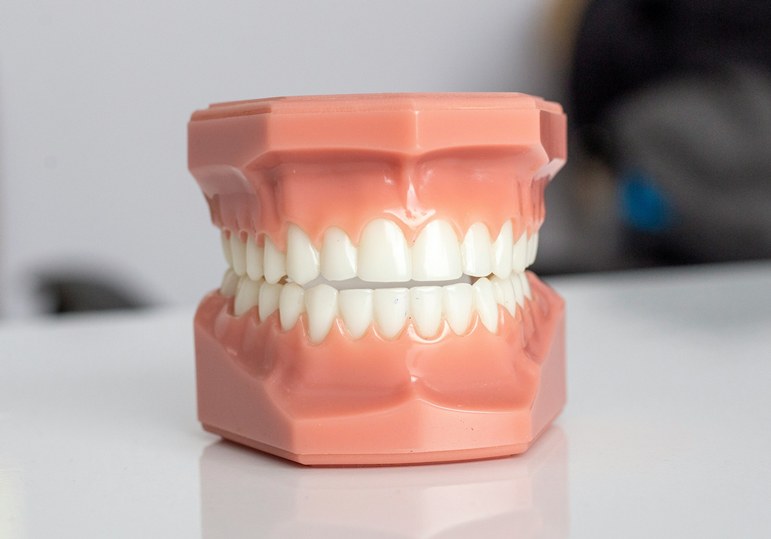
Signs of bruxism can include:
- Worn, chipped, or flattened teeth
- Jaw soreness or stiffness, particularly upon waking
- Frequent headaches or migraines
- Tension in the neck, shoulders, or face
- Clicking or popping in the jaw
In biological dentistry, we understand bruxism as the body’s natural response to stress or structural imbalance rather than simply a bad habit. Restricted airways, poor tongue posture, misaligned bites, or subtle skeletal shifts can all prompt the jaw to overwork. When the body struggles to maintain proper airway function or stabilize the TMJ, clenching or grinding acts as a compensatory mechanism. Over time, these repetitive forces can damage teeth, strain muscles and ligaments, and exacerbate TMJ dysfunction.
The long-term effects of untreated bruxism are more than cosmetic or superficial. Chronic grinding can accelerate tooth wear, increase sensitivity, and lead to fractures or dental restorations breaking down prematurely. Persistent tension in the jaw and surrounding muscles may result in chronic headaches, earaches, and neck or shoulder pain. Left unaddressed, bruxism can also contribute to deeper structural issues in the jaw and face, including shifts in bite alignment and changes to the lower facial shape.
By identifying the underlying causes—airway restrictions, tongue positioning, skeletal imbalances, and muscle tension—our approach focuses on resolving bruxism at its source. Through a combination of targeted in-office therapies, personalized occlusal appliances, and guided at-home care, we aim not just to protect teeth but to restore balance to the TMJ, reduce muscle strain, and prevent future complications.
Understanding bruxism in this holistic context allows patients to address both the symptoms and the root causes, creating lasting relief and supporting overall oral and systemic health.
Fascial Muscles and Craniosacral Therapy
The muscles and fascia surrounding your jaw, face, and skull play a critical role in TMJ health. Fascia—a network of connective tissue that wraps around muscles, bones, and organs—helps transmit forces throughout the body. When the TMJ is under strain due to misalignment, airway restrictions, or bruxism, the fascia and associated muscles can become tight, restricted, or imbalanced, contributing to chronic pain, tension, and limited jaw movement.
Craniosacral therapy focuses on gently releasing tension within these fascial networks. By addressing restrictions in the skull, jaw, and surrounding soft tissues, this therapy can improve joint mobility, reduce muscular strain, and restore balance to the craniofacial system. Many patients find relief from jaw discomfort, headaches, and facial tightness through targeted craniosacral techniques that complement structural and airway-focused therapies.
Myofascial tension is often subtle but pervasive. Even small restrictions in the fascia can cause referred pain in the head, neck, or shoulders, perpetuating cycles of bruxism or TMJ strain. Craniosacral therapy helps identify and release these hidden tensions, allowing the jaw and surrounding muscles to function more naturally.
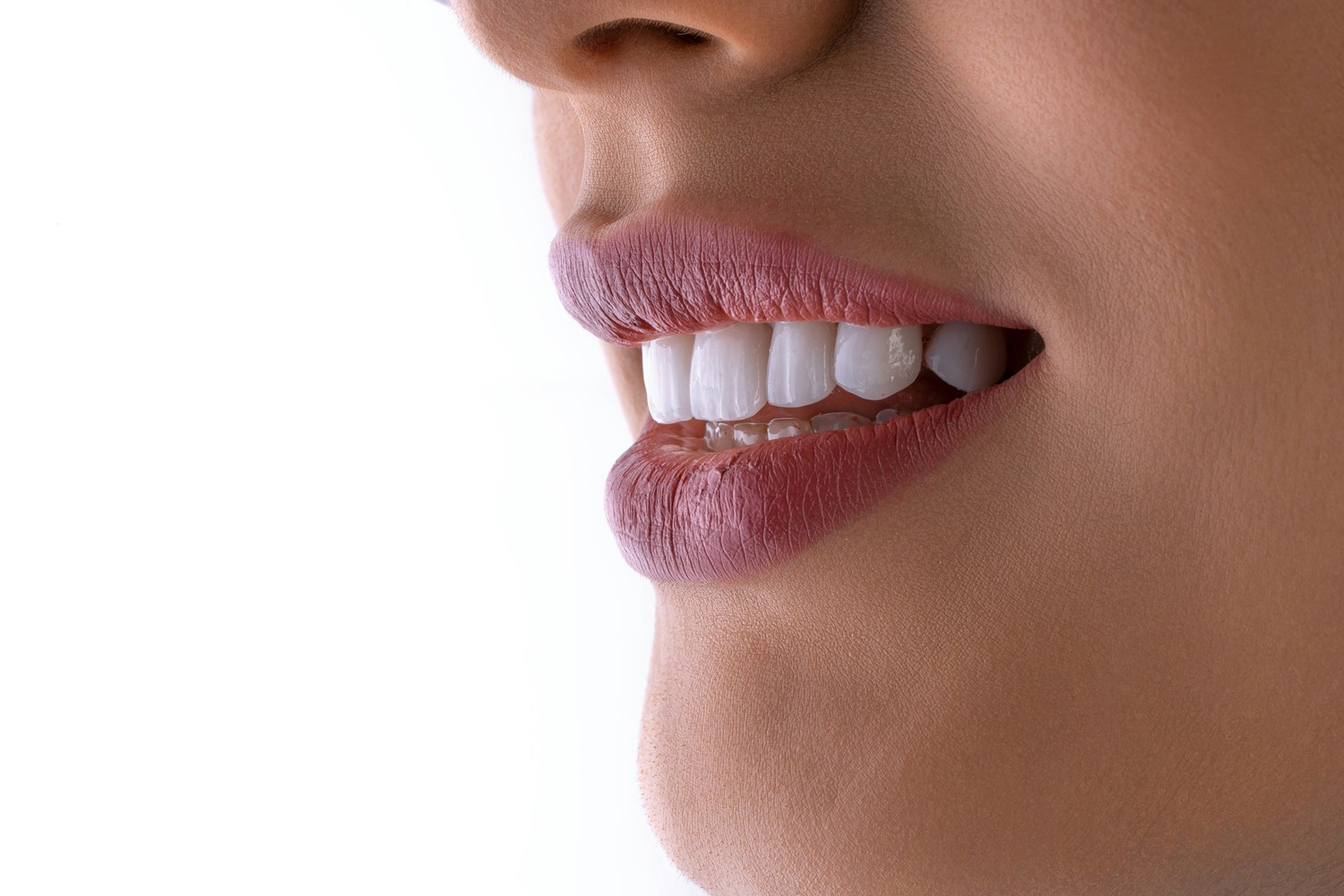
By integrating fascial and craniosacral approaches with TMJ therapy, we aim to address not just the symptoms but the underlying contributors to discomfort. This holistic strategy supports improved jaw alignment, enhanced muscle function, and overall well-being. Patients often notice increased comfort, reduced tension, and better range of motion after treatment, reinforcing the connection between soft tissue health and long-term TMJ stability.
Prolotherapy In-Office
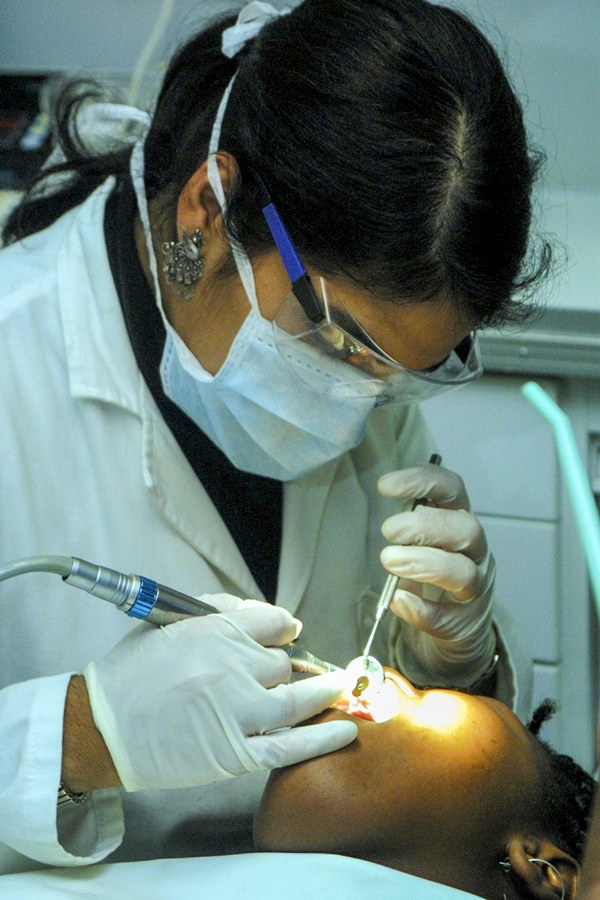
Prolotherapy is a regenerative treatment designed to strengthen and stabilize the ligaments and connective tissues supporting the TMJ. When the joint experiences chronic stress from misalignment, bruxism, or airway-related compensations, the supporting ligaments can become weakened, contributing to pain, instability, and further joint dysfunction. Prolotherapy targets these underlying issues, promoting the body’s natural healing processes.
During an in-office prolotherapy session, a specialized solution is gently injected into the affected ligaments and surrounding tissue. This triggers a mild, controlled inflammatory response, which encourages the body to repair and strengthen the weakened structures. Over time, this can reduce TMJ instability, improve joint function, and decrease pain associated with clenching or grinding.
Unlike treatments that only address symptoms, prolotherapy focuses on restoring structural integrity at the root cause of TMJ dysfunction. It is often used in combination with other therapies, such as occlusal appliances, craniosacral therapy, and myofascial care, to maximize long-term relief and support optimal joint health.
Patients typically notice gradual improvements in jaw stability, reduced soreness, and enhanced comfort during daily activities. Because prolotherapy works with the body’s natural healing mechanisms, it offers a safe, minimally invasive approach for those seeking lasting relief from chronic TMJ pain and dysfunction.
Occlusal Appliances In-Office
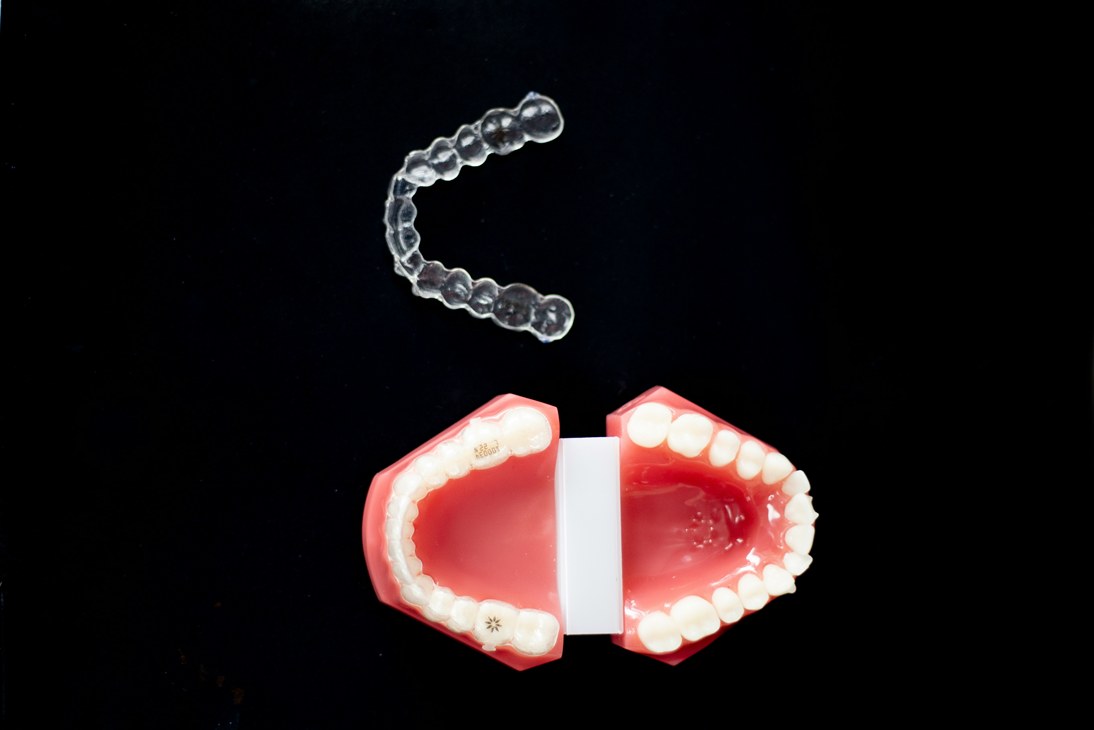
Occlusal appliances, such as custom nightguards or splints, are often an essential part of TMJ therapy. These devices protect your teeth, support proper jaw alignment, and reduce strain on the muscles and ligaments caused by clenching or grinding.
For optimal results, we recommend that patients undergo craniosacral therapy before having an occlusal appliance fabricated. This ensures that the jaw and surrounding muscles are in their correct, relaxed position, which is critical for creating an appliance that will provide effective support over time. By addressing muscle tension and fascial restrictions first, the appliance can better stabilize the jaw and provide long-lasting benefits.
Each appliance is custom-made to fit your unique bite and jaw structure, ensuring comfort and durability. Depending on the type, a properly fitted appliance can last anywhere from 1 to 7 years. By redistributing forces across the teeth and joints, occlusal appliances prevent further enamel wear, reduce muscle fatigue, and alleviate TMJ pressure. They are especially valuable for breaking the cycle of bruxism during sleep.
In addition to protection, these appliances help relax the jaw and surrounding muscles, enhancing the effectiveness of other therapies such as prolotherapy, craniosacral therapy, and myofascial work. Patients often notice reduced jaw pain, fewer headaches, and improved bite comfort when using a well-fitted occlusal appliance. By addressing both symptoms and underlying structural contributors, these devices play a crucial role in long-term TMJ health.
At-Home Care
Effective TMJ therapy extends beyond the office. Supporting your jaw and muscles at home helps maintain the progress achieved through in-office treatments and promotes long-term relief. Our at-home recommendations focus on reducing inflammation, releasing muscle tension, and supporting joint health.

Myofascial Buccal Massage
Gentle self-massage of the jaw and surrounding facial muscles helps release tension in the fascia and muscles that contribute to TMJ discomfort. Regular myofascial buccal massage can improve circulation, reduce soreness, and enhance the effectiveness of in-office therapies such as craniosacral therapy and prolotherapy.
Red Light Therapy
Red light therapy is a non-invasive method to support tissue repair and reduce inflammation. Applying red light to the jaw and surrounding areas can accelerate healing, relieve muscle tightness, and promote overall comfort. This therapy is safe and easy to integrate into your daily routine.
Supplements for Joint and Muscle Support
Certain nutritional supplements can help reduce inflammation, support connective tissue repair, and improve muscle function. While specific recommendations are personalized based on your health needs, common supplements for TMJ support include anti-inflammatory nutrients, collagen-building compounds, and antioxidants.
Daily Lifestyle Practices
Small adjustments in posture, stress management, and oral habits can significantly reduce TMJ strain. Proper tongue posture, mindful jaw relaxation, and avoiding prolonged clenching or chewing hard foods are all important steps in maintaining joint health.
By combining these at-home strategies with targeted in-office therapies, you create a comprehensive approach that addresses both the symptoms and root causes of TMJ dysfunction. Consistent at-home care empowers patients to take control of their jaw health, reduce discomfort, and support long-term stability and function.
Biological Dentistry
Using science-based, biological techniques, technologies, and materials for your oral and overall health
Family Dentistry
Establishing preventative dental care routine and restorative treatment options for the entire family
Safe Mercury Removal
Replacing amalgams with non-toxic filling materials while safely capturing released mercury
Root Canal
Emphasizing a biological approach to diagnosing and treating infected teeth
Gum Therapy
Addressing periodontal “gum” disease systemically and non-surgically
Cosmetic Dentistry
Restoring and replacing natural teeth using a conservative approach with non-metal materials
Dental Surgery
Our dental surgery approach respects the body’s natural ability to heal
TMJ Therapy
TMJ dysfunction causes jaw pain, facial tension, headaches & neck discomfort
Ozone Therapy
A safe, natural treatment to disinfect & reduce inflammation
S. Ward Eccles D.D.S.
87 Fenton St #201
Livermore, CA 94550
(925) 447-6428
M-F: 8 AM - 5 PM
S-S: Closed